How Global Warming Impacts Extreme Weather
Learn how global warming changes extreme weather by increasing heat waves, intensifying heavy rainfall, worsening drought and wildfire conditions, and raising coastal flood risks through sea-level rise.
Extreme weather can feel like it’s becoming more common and more intense—from record-breaking heat to heavier downpours and larger wildfires. While no single storm or heat wave can be blamed solely on global warming, the science is clear: as the planet warms, the odds and severity of several kinds of extreme weather events increase. Understanding the mechanisms helps explain what’s happening now, what’s likely ahead, and how communities can reduce risks.
The Big Picture: Climate vs. Weather
Weather is what happens day to day; climate is the long-term pattern. Global warming refers to the long-term increase in Earth’s average surface temperature driven primarily by greenhouse gas emissions from human activities. That added heat changes the background conditions in which weather forms—like “raising the baseline” so certain extremes become more likely.
1) Heat Extremes: More Frequent, More Intense Heat Waves
Heat waves are among the most direct and well-understood links to global warming. When average temperatures rise, the distribution of daily temperatures shifts upward, making very hot days occur more often and reach higher peaks. Urban areas can experience added stress due to the urban heat island effect, where buildings and pavement retain heat, increasing nighttime temperatures and limiting relief.
- Warming increases the likelihood of record-breaking heat, because the starting point is hotter.
- Hotter nights matter: elevated overnight temperatures can raise health risks by reducing recovery time.
- Heat can compound other hazards, including drought, wildfire risk, and poor air quality.
2) Heavier Rainfall and Flooding: A Wetter Atmosphere Can Dump More Water
A warmer atmosphere can hold more water vapor. When storms form, that extra moisture can contribute to heavier rainfall rates, increasing the risk of flash flooding—especially in places with saturated soils, steep terrain, or lots of paved surfaces. This doesn’t mean it rains more everywhere all the time, but it does increase the potential for very heavy precipitation events when conditions are right.
3) Drought and Soil Drying: Heat Can Intensify Dry Conditions
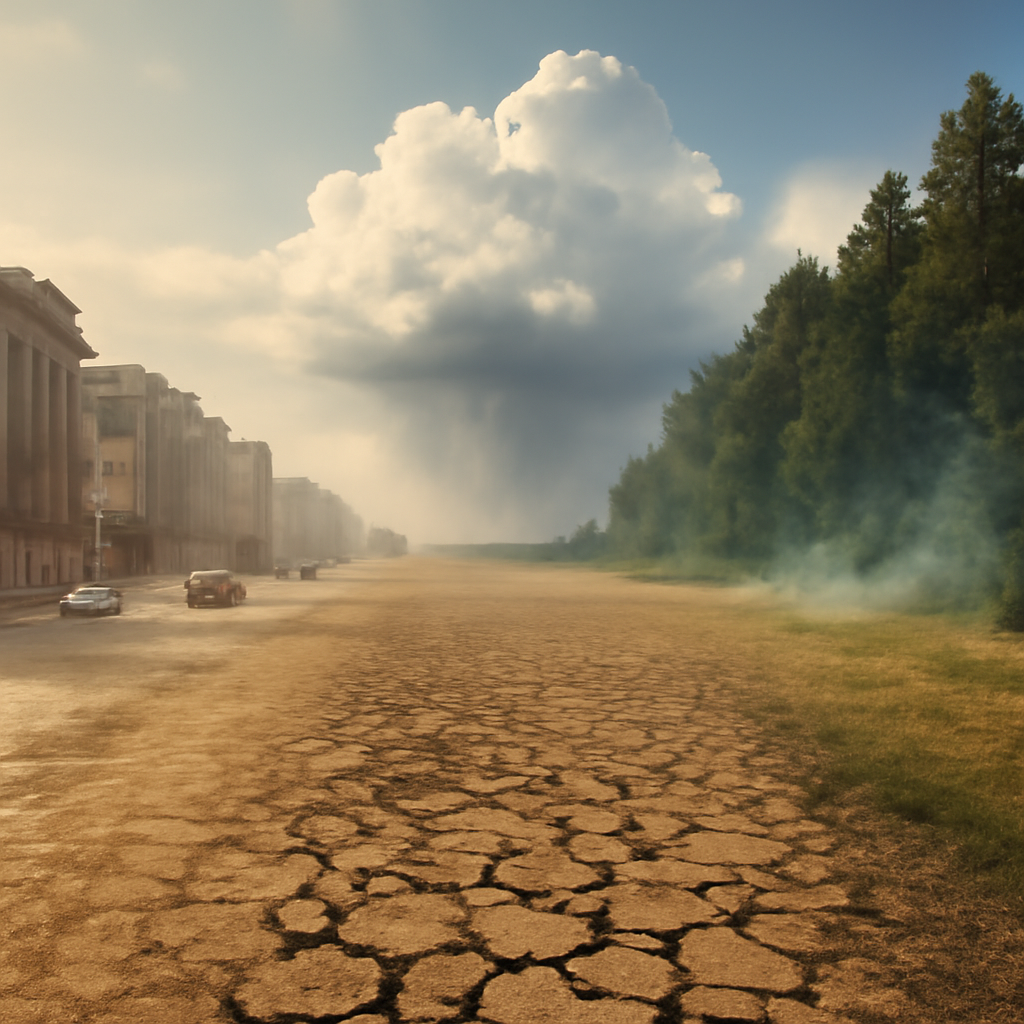
Global warming can worsen drought risk in many regions by increasing evaporation from soils, rivers, and reservoirs and raising “atmospheric thirst” (the tendency of warm air to draw moisture from the surface). Even if rainfall doesn’t decrease significantly, hotter conditions can dry landscapes faster, stressing crops and ecosystems and reducing available water.
- Higher temperatures increase evaporation, which can reduce soil moisture.
- Earlier snowmelt in cold regions can shift water availability earlier in the year, leaving less for late summer.
- Dry soils can intensify heat waves because less energy goes into evaporating water and more goes into heating the air.
4) Wildfire Weather: Heat and Dryness Stack the Deck
Wildfires depend on multiple factors: fuel availability, ignition sources, wind, and dryness. Global warming influences the “fire weather” side of the equation by increasing heat and, in many places, increasing the likelihood of conditions that dry vegetation. This can lengthen fire seasons and raise the chances that fires spread rapidly once ignited. Land management and human ignitions are also major drivers, so climate change is best understood as a risk multiplier rather than the only cause.
5) Tropical Cyclones (Hurricanes): More Rain, Higher Storm Surge Risk with Sea-Level Rise
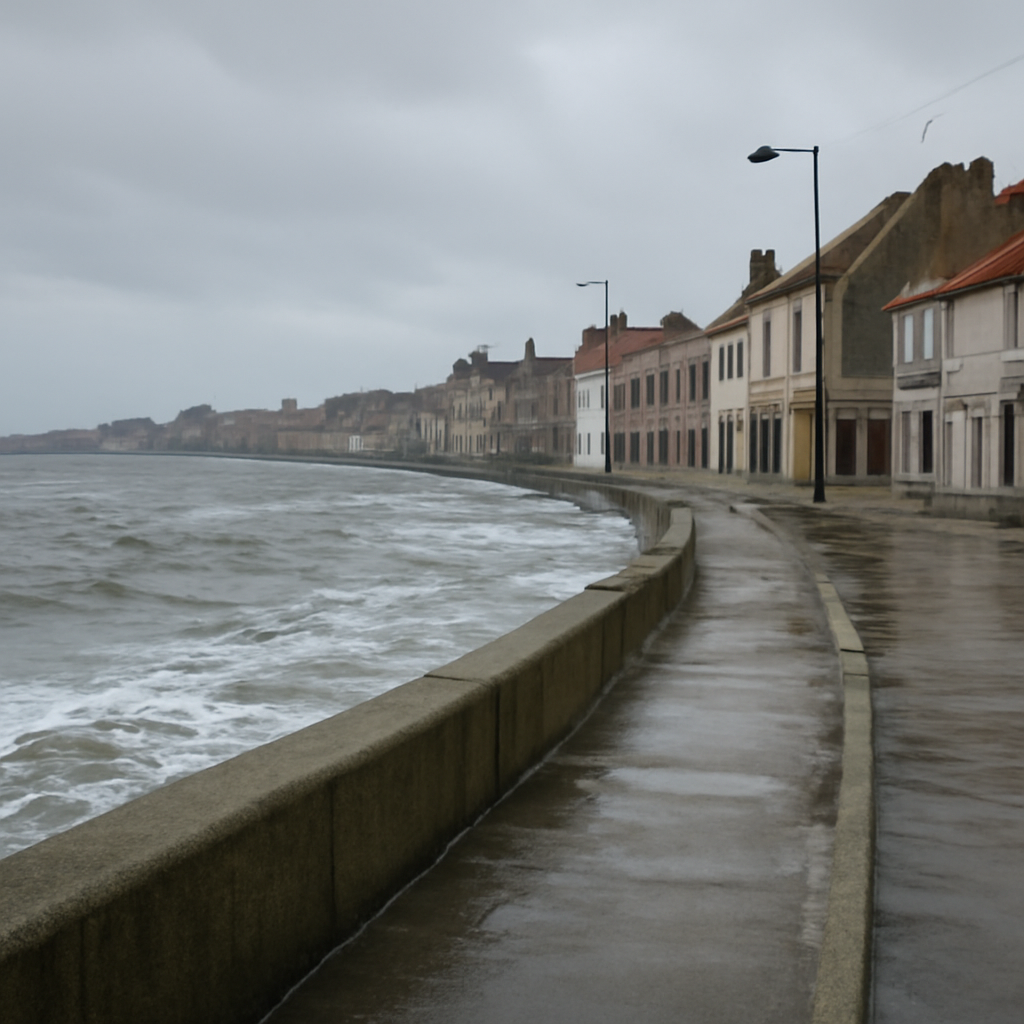
Tropical cyclones are complex, and not every metric changes the same way. Warming oceans can provide more energy to storms, and a warmer atmosphere can increase rainfall rates within storms. Separately, sea-level rise—driven by warming oceans (thermal expansion) and melting land ice—raises the baseline for coastal flooding, meaning storm surge can reach farther inland even if a storm’s wind strength is unchanged.
- Warmer air can increase hurricane rainfall potential.
- Higher sea levels increase the flooding impact of storm surge.
- Local factors—coastal topography, tides, and infrastructure—strongly influence damage outcomes.
6) Compound Extremes: When Hazards Combine
Some of the most damaging impacts happen when extremes overlap. For example, a heat wave followed by heavy rain can increase flood risk because hard, dry soil may absorb water poorly. Drought can weaken vegetation, setting the stage for larger wildfires, and then intense rain on burned slopes can trigger mudflows. Global warming can increase the likelihood of these compounding events by pushing multiple systems toward extremes.
How Scientists Connect Warming to Specific Events
Scientists use a set of methods often referred to as “event attribution” to estimate how global warming influenced the likelihood or intensity of an extreme event. In general, they compare today’s climate (with human-caused greenhouse gas increases) to a modeled world without that influence, and they analyze observations and physical mechanisms. Attribution results vary by event type and region; heat extremes are typically more straightforward to assess than some storm behaviors.
What This Means for Communities and Households
Because global warming changes the odds of extremes, planning based on historical averages can be less reliable. Practical risk reduction focuses on both cutting emissions (to limit future warming) and adapting to hazards already increasing.
- Heat readiness: expand cooling access, improve building insulation, add shade and reflective surfaces, and check on vulnerable neighbors during heat waves.
- Flood resilience: update stormwater systems, avoid building in flood-prone areas, use floodproofing where appropriate, and maintain clear drainage.
- Wildfire risk reduction: create defensible space, use fire-resistant building materials in high-risk zones, and support safe land management practices.
- Coastal planning: consider sea-level rise in zoning, infrastructure design, and evacuation routes.
- Emergency preparedness: keep alerts enabled, maintain a go-bag, and know local evacuation and shelter plans.
Key Takeaways
- Global warming doesn’t “cause” every extreme event, but it often increases the likelihood and intensity of several types—especially heat waves and heavy rainfall.
- Warmer air holds more moisture, which can amplify downpours, while higher temperatures can intensify drought and wildfire-friendly conditions.
- Sea-level rise raises the baseline for coastal flooding, magnifying storm surge impacts.
- The greatest risks often come from compound extremes and from exposure—where and how people build and live.
- Reducing greenhouse gas emissions and investing in adaptation both matter: one limits future change, the other lowers near-term harm.